Beginning in kayaking is not an easy task for starters duo the have to buy many things: kayak, paddle, vest, skirt, jacket, wetsuit, booties and continue counting.vThe team of good quality lasts for years with proper care and maintenance.
Let's start from the kayak. They are of fiber, plastic, fabric and wood, but given the popularity of plastic and fiber we concentrate on these.
Let's start from the kayak. They are of fiber, plastic, fabric and wood, but given the popularity of plastic and fiber we concentrate on these.
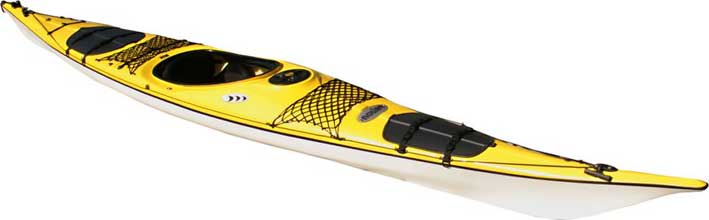
Image 1: Fiber kayak by Kayakismo

Image 2: Plastic kayak by Ocean Kayak
ULTRAVIOLET PROTECTION
Plastic is as easy to care for. You just have to protect it from UV rays and we kayak for a while. Normally the plastic of good quality kayaks bring a UV filter dyes that give color. However, it is better to protect them to prevent discoloration and brittle plastic.
There is a plastic protective UV filter, something like sunscreen for kayaks, such as UV Protector Tec McNett or 303. These non- only protect from UV rays, but also condition the plastic restoring structural oils, giving flexibility and a look back. They can also be used in other materials such as nylon (life vests, jackets), latex (seals dry suits), neoprene and not (water suits, gloves, boots) and vinyl (cases of maps, GPS, radio ). Kayaking is convenient spray at least twice a year.
Plastic is as easy to care for. You just have to protect it from UV rays and we kayak for a while. Normally the plastic of good quality kayaks bring a UV filter dyes that give color. However, it is better to protect them to prevent discoloration and brittle plastic.
There is a plastic protective UV filter, something like sunscreen for kayaks, such as UV Protector Tec McNett or 303. These non- only protect from UV rays, but also condition the plastic restoring structural oils, giving flexibility and a look back. They can also be used in other materials such as nylon (life vests, jackets), latex (seals dry suits), neoprene and not (water suits, gloves, boots) and vinyl (cases of maps, GPS, radio ). Kayaking is convenient spray at least twice a year.

Image 3: UV tech bt McNETT
It should be noted that we should not store the kayak weather (sun). If we have nowhere to store it indoors, we can look for a cover, or finally put a mesh double kiwi or quadruple.
The glass fiber is not as sensitive to UV rays, but the plastic parts such as seats, buckles, laces elastic , handles, if they are. In addition, the gel coat, topcoat fiber kayaks or compounds, is usually made of a polyester resin discoloring the sun.
WASHING THE KAYAK
Around the sea, it should be washed with fresh water kayaking, with special emphasis on metal parts such as the rudder, the wires of the same, screws and fairleads, even if these are of stainless steel.
The most sensitive parts are where two different metals are as galvanic corrosion occurs by electrolysis of mass destruction. To avoid this, after rinsing in fresh water and allow to dry, you can use a water displacing lubricant such as WD-40.
Around the sea, it should be washed with fresh water kayaking, with special emphasis on metal parts such as the rudder, the wires of the same, screws and fairleads, even if these are of stainless steel.
The most sensitive parts are where two different metals are as galvanic corrosion occurs by electrolysis of mass destruction. To avoid this, after rinsing in fresh water and allow to dry, you can use a water displacing lubricant such as WD-40.
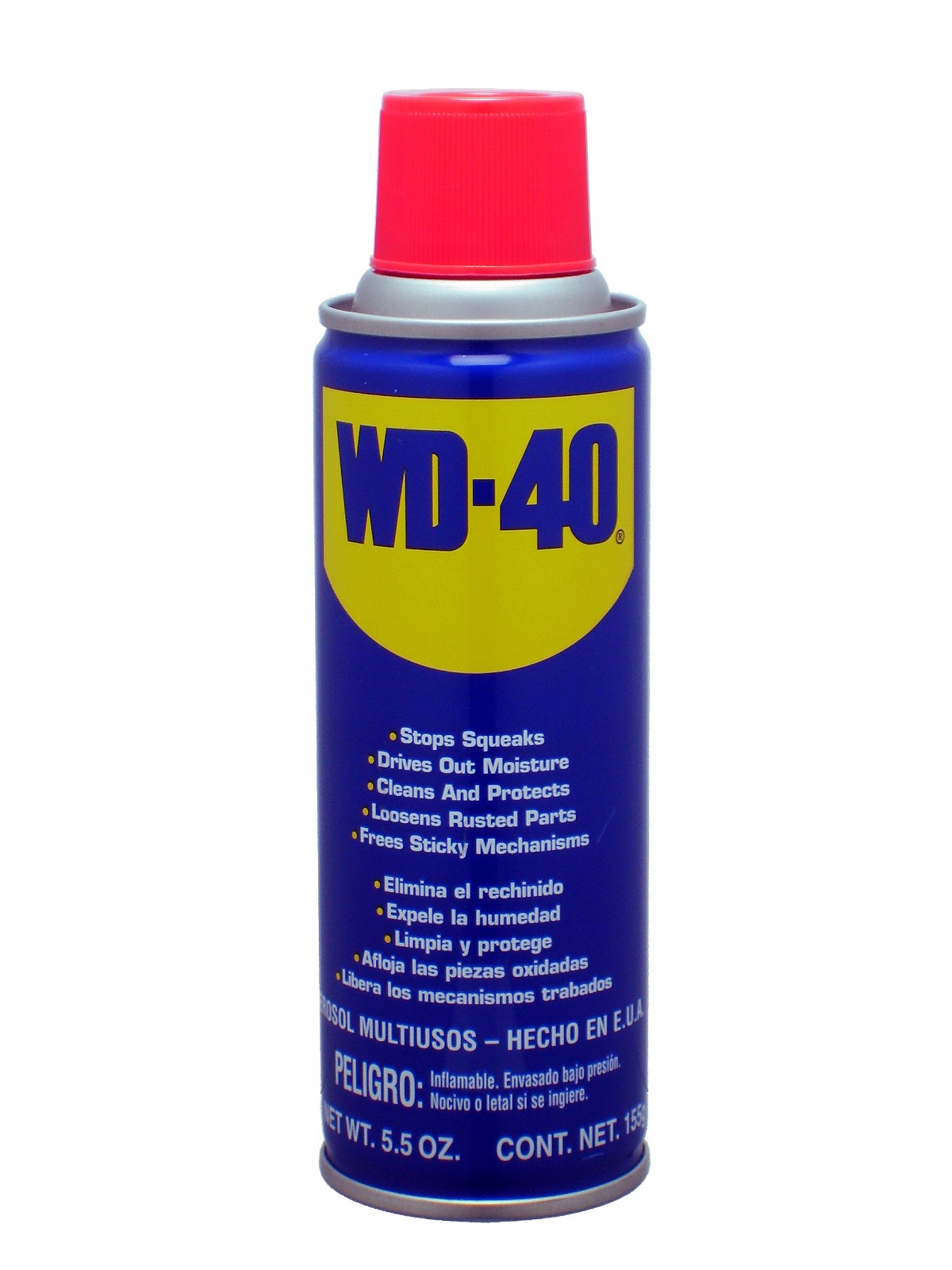
Image 4: WD-40
The sand is also a problem, especially moving parts such as the rudder and the rails pedals. To be inserted between the parts, produces abrasion them in addition to hinder its operation.
The seals neoprene is also important to rinse them in fresh water since the salt crystals, deteriorate the material.
Once washed, we should let it dry before save properly. A covered cabin is a good idea to avoid visits unwanted indoors and to keep it free of dust and particulate matter.
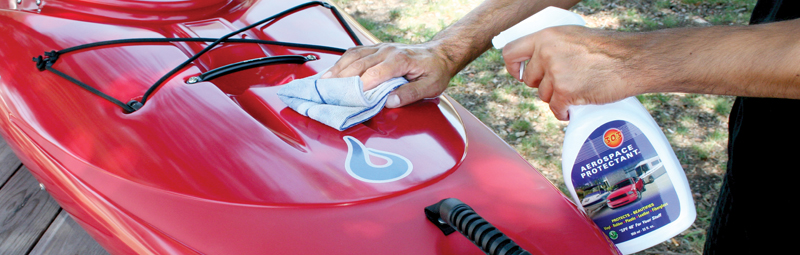
Image 5: Washin a kayak by AustinKayak
KEEPING THE KAYAK
The kayaks can be damaged or suffer deformations in the hull if not properly stored, especially plastic kayaks. The best way to store them for long periods is standing on the tip. As it is not easy to find a parking 5 meters high, the next best option is to put singing on nylon straps so that they hang. It is easy to put a pair of plates bolted climbing wall expansion in the parking lot, to put two ribbons and hang the kayak comfortably. Many people in the department do so.

Image 6: Roof support by Elgari

Image 7: Wall support by Kayakismo
ROUTINE INSPECTION
Finally, before leaving to paddle, we inspect the kayak to guarantee us that we give optimal performance in the water and we will not fail in times of need.
Check first screws. These tend to lose by vibration during travel. Then check the buckles, ribbons and laces elastics and to see that they are not damaged. ASAP change damaged parts.
Then check the helm, especially the cables using metal will fatiguing. Normally they cut at the joints with screws. The pedals are also regularly reviewed to identify fractured parts that could end up breaking into the water.
Last but not least is reviewing the watertight compartments. Buckles, belts, seals neoprene and partitions, to verify that does not pass water from the cabin to these. Many kayaks for use, impact, improper storage or exposure to high temperatures, they deteriorate seals partitions, so you need to restore the waterproof seal of the dry compartments. Do not use silicone, and it serves not leave residues will prevent that a good glue stick. There are good sealing as the Marine GOOP or Lexel, which will leave magazines like new.
With proper care, our kayak give us decades of travel and adventure. Possibly, it will go through many hands and many people happy during their passage through this world.
Finally, before leaving to paddle, we inspect the kayak to guarantee us that we give optimal performance in the water and we will not fail in times of need.
Check first screws. These tend to lose by vibration during travel. Then check the buckles, ribbons and laces elastics and to see that they are not damaged. ASAP change damaged parts.
Then check the helm, especially the cables using metal will fatiguing. Normally they cut at the joints with screws. The pedals are also regularly reviewed to identify fractured parts that could end up breaking into the water.
Last but not least is reviewing the watertight compartments. Buckles, belts, seals neoprene and partitions, to verify that does not pass water from the cabin to these. Many kayaks for use, impact, improper storage or exposure to high temperatures, they deteriorate seals partitions, so you need to restore the waterproof seal of the dry compartments. Do not use silicone, and it serves not leave residues will prevent that a good glue stick. There are good sealing as the Marine GOOP or Lexel, which will leave magazines like new.
With proper care, our kayak give us decades of travel and adventure. Possibly, it will go through many hands and many people happy during their passage through this world.
Links viewed:


.jpg)